





Hardware tools are indispensable items in home maintenance, decoration, and daily life, widely used in installation, repair, disassembly, and production scenarios. The hardware tool market has a wide variety of types, ranging from simple manual tools to complex electric tools, covering various uses.
1、 Classification of Hardware Tools
- Manual tools
Hand tools are the most basic hardware tools that rely on manual operation and are suitable for small maintenance and installation tasks. Common manual tools include:
Screwdriver: used to tighten or loosen screws, common types include cross and straight screwdriver.
Wrenches: including adjustable wrenches, ring wrenches, and open-end wrenches, used to tighten or loosen nuts and bolts.
Hammer: such as a sheep horn hammer and a round headed hammer, used for striking, fixing, or disassembling.
Pliers: including pointed nose pliers, angled nose pliers, and wire pliers, used for clamping, bending, or cutting wires, etc.
Tape measure: used to measure length, width, or height, typically 3-5 meters for household use.
Level gauge: used to detect whether the surface is level, commonly used for installing furniture or hanging paintings.
Art knife: used for cutting cardboard, plastic, or thin wooden boards. - Electric tools
Electric tools are powered by electricity, with high efficiency and suitable for tasks that require significant force or long working hours. Common electric tools include:
Electric drill: used for drilling or screwing, handheld electric drills are usually chosen for household use.
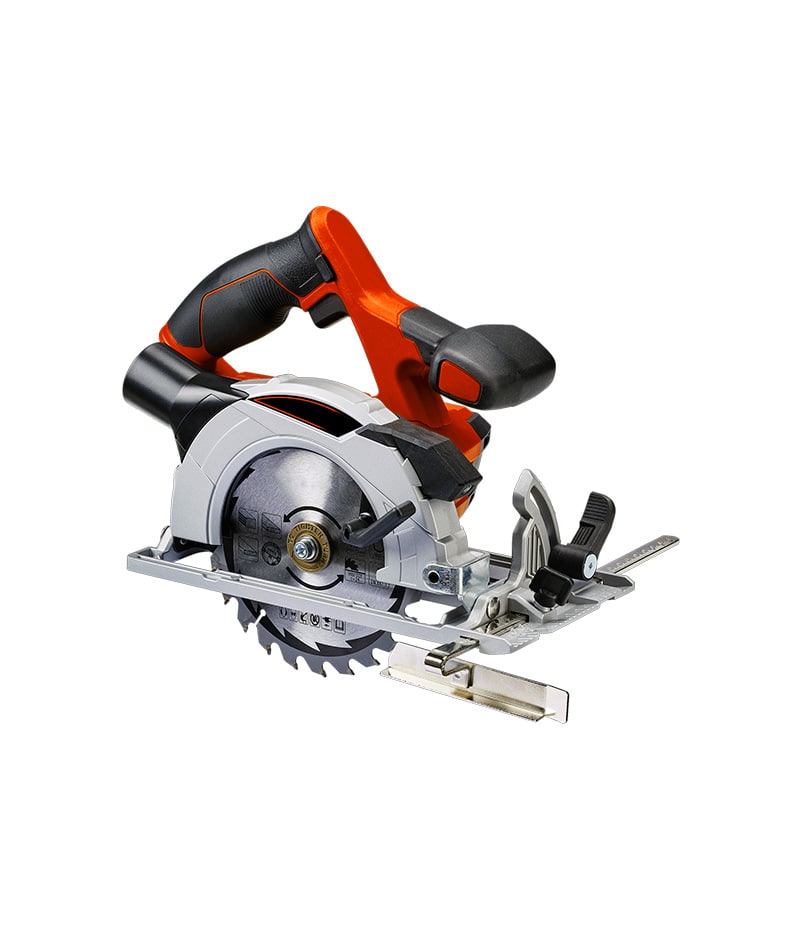
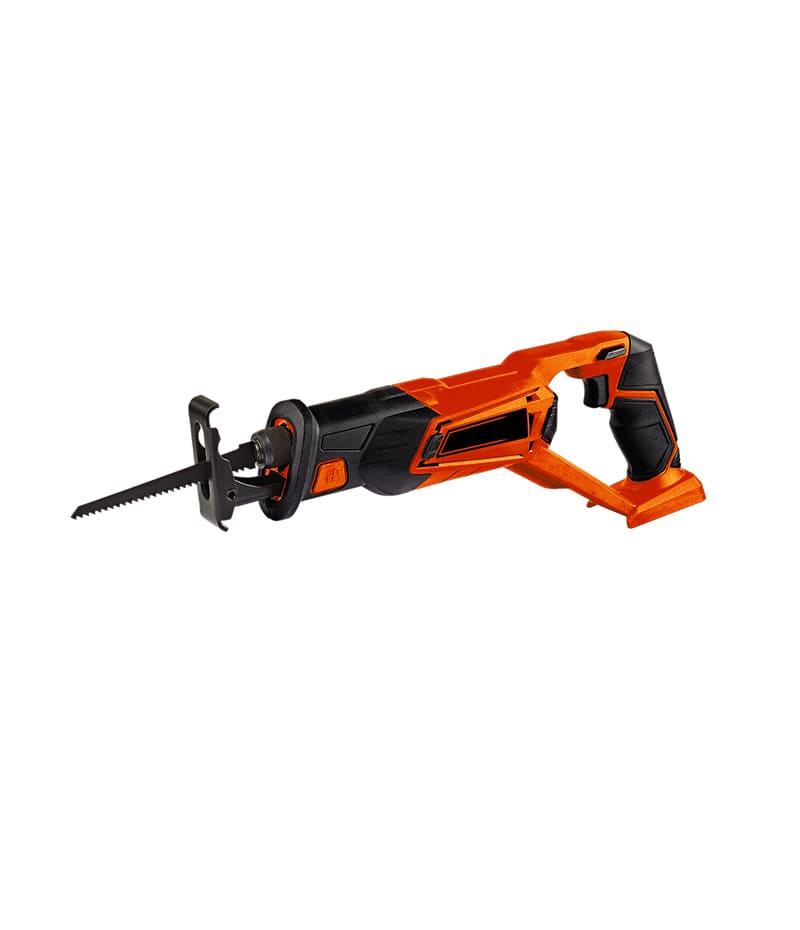
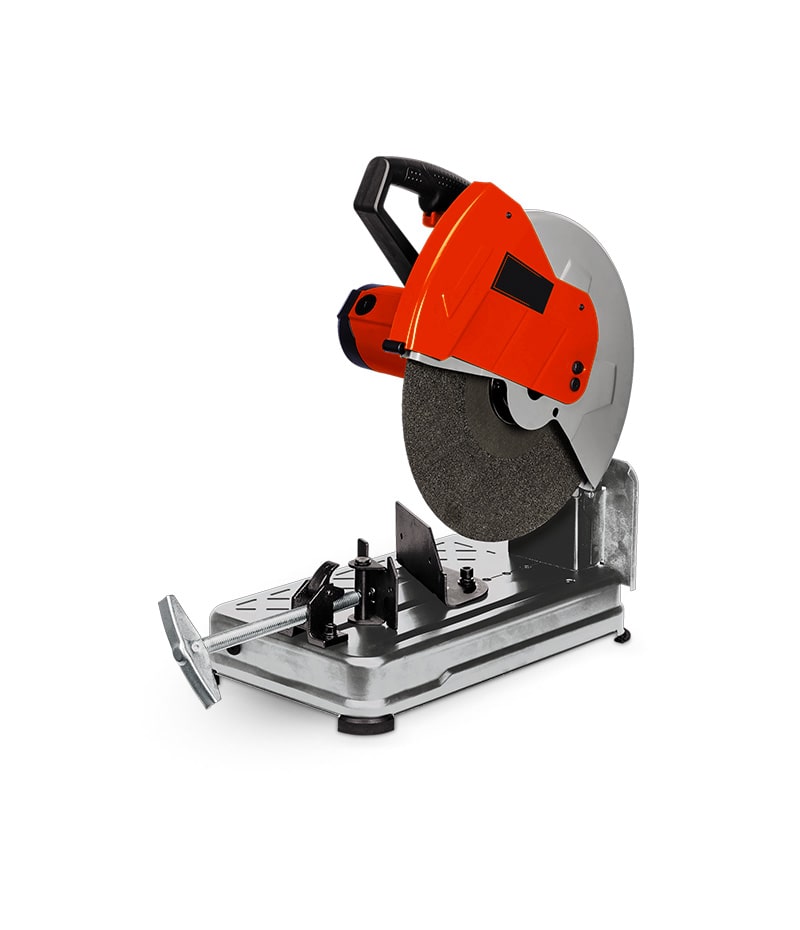
Electric saw: such as a curved saw or circular saw, suitable for cutting wood, metal, or plastic.
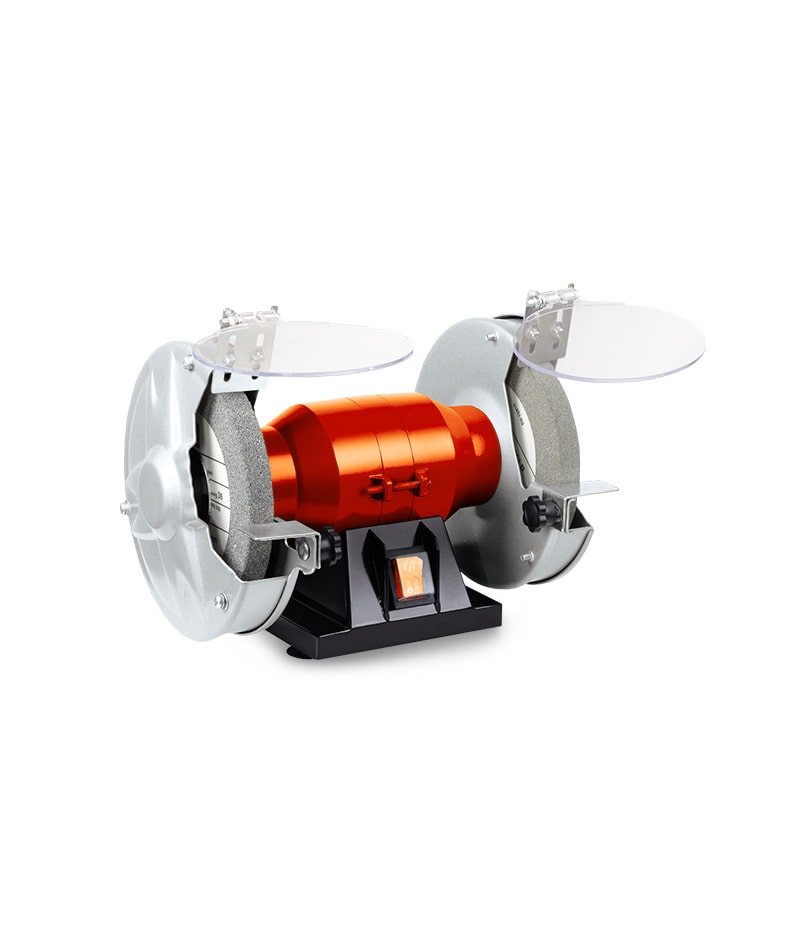
Angle grinder: used for grinding, polishing, or cutting metal and stone.
Electric hammer: suitable for drilling holes in walls or chiseling hard materials. - Measurement and testing tools
These tools are used for precise measurement or detection of environmental conditions to ensure the accuracy of construction or maintenance. Common tools include:
Laser rangefinder: used for rapid distance measurement with higher accuracy than traditional tape measures.
- Multimeter: Used to detect the voltage, current, and resistance of circuits, suitable for troubleshooting electrical faults.
Infrared thermometer: used for non-contact measurement of surface temperature of objects.
- Other auxiliary tools
Including some auxiliary tools such as ladders, toolboxes, flashlights, etc., used to improve work efficiency or safety.
2、 Selection criteria for essential hardware tools for families
When choosing essential hardware tools for families, the following factors should be considered comprehensively to ensure the practicality and economy of the tools: - Practicality: The tool should be able to cover common household maintenance tasks, such as furniture assembly, wall fixing, pipeline maintenance, etc.
- Usability: Prioritize tools that are easy to operate and suitable for non professionals to use, avoiding overly complex professional equipment.
- Safety: Tools should comply with national safety standards (such as China CCC certification), especially electric tools, which require reliable insulation and protection design.
- Durability: Choose tools with sturdy materials and good brand reputation to ensure long-term use.
- Storage convenience: Due to limited home space, tools should be easy to store, and small or foldable styles should be preferred.
- Budget: Choose cost-effective tools based on household needs and avoid purchasing overly expensive professional grade equipment.
3、 List of Essential Hardware Tools for Families - Screwdriver set
- Purpose: Tighten or loosen screws, suitable for furniture assembly, electrical maintenance, etc.
Recommended specifications: A set of screwdrivers with multiple head shapes (cross, straight, star, etc.), with a length between 10-20 centimeters. Magnetic screwdrivers are more convenient for attaching screws.
Suggestion: Choose a brand with anti slip handle and wear-resistant blade, such as Shida or Stanley.
- Adjustable wrench
- Purpose: Tighten or loosen nuts and bolts of various sizes, suitable for water pipe maintenance, bicycle adjustment, etc.
Recommended specifications: 8-inch or 10 inch adjustable wrench, suitable for home use, high flexibility.
Suggestion: Choose a style with a wide adjustable range and made of chrome vanadium steel to ensure durability.
- Sheep horn hammer
- Purpose: To strike nails, dismantle old furniture, or slightly correct objects.
Recommended specifications: Weight between 0.5-1 pound, handle made of wood or rubber, comfortable grip.
Suggestion: One end of the sheep horn hammer can be used to remove a nail, with multiple functions, suitable for emergency use at home.
- Plier combination
- Usage: Needle nosed pliers are used to grip small objects, wire pliers are used to cut wires, and angled pliers are used for bending or cutting.
Recommended specifications: 6-8 inch pliers, suitable for home use.
Suggestion: Choose a style of insulated handle to increase the safety of electrical maintenance.
- Tape measure
- Purpose: To measure furniture dimensions, room area, or installation location.
Recommended specifications: 3-5 meters long, with automatic retraction function and clear markings.
Suggestion: Choose a tape measure with locking function for easy single person operation.
- Level gauge
- Purpose: To ensure that furniture, frames, or shelves are installed horizontally.
Recommended specifications: Small bubble level, approximately 20-30 centimeters in length.
Suggestion: Choose a style with magnetism for easy adhesion to metal surfaces.
- Art knife
- Purpose: Cut cardboard, wallpaper or plastic, suitable for packaging disassembly or decoration.
Recommended specifications: styles with replaceable blades, blade width 9-18 millimeters.
Suggestion: Choose a style with blade storage function, which is safe and easy to carry.
- Flashlight
- Purpose: Lighting during power outages or maintenance in dark places.
Recommended specifications: LED flashlight, brightness of 200-500 lumens, with rechargeable battery.
Suggestion: Choose waterproof and fall resistant styles that are suitable for emergency use.
- Household electric drill
- Purpose: Drilling or screwing, suitable for wall installation, wood processing, etc.
Recommended specifications: 12V or 18V cordless drill, equipped with various drill bits and screwdriver heads.
Suggestion: Choose well-known brands such as Bosch and DeWei to ensure battery life and safety.
- Multimeter
- Purpose: To detect circuit faults, such as socket failure or short circuit in the circuit.
Recommended specifications: Digital multimeter, supporting voltage, current, and resistance measurements.
Suggestion: Choose a style with automatic range function, suitable for non professional users at home.
- Toolbox
- Purpose: To store and organize the above tools for easy carrying and use.
Recommended specifications: Medium sized plastic or metal toolbox, layered design.
Suggestion: Choose a style with a buckle to prevent tools from scattering.
4、 Suggestions for the use and maintenance of hardware tools
- Proper use of tools
Operate according to the purpose of the tool and avoid overloading, as using a screwdriver to pry hard objects may cause damage to the blade.
When using electric tools, carefully read the instructions to ensure that the battery charging and operation meet the requirements.
During electrical maintenance, it is essential to disconnect the power supply and use insulated tools to ensure safety. - Regular maintenance
Wipe the manual tools clean after use to prevent rusting, especially in humid environments.
Electric tools need to be regularly inspected for battery and motor components to avoid malfunctions caused by dust accumulation.
Tools and drill bits should be replaced regularly to maintain sharpness and improve efficiency. - Properly store
Store the tools in a dry and ventilated place, avoiding moisture or direct sunlight.
Use a toolbox or shelf to organize tools to prevent loss or damage.
The battery of electric tools should be stored separately to avoid depletion due to prolonged disuse. - Safety education
If there are children at home, tools should be stored out of their reach.
Before using tools, understand basic operating knowledge to avoid injury caused by improper use.
By making reasonable choices and managing hardware tools properly, every family can easily cope with small challenges in life.