
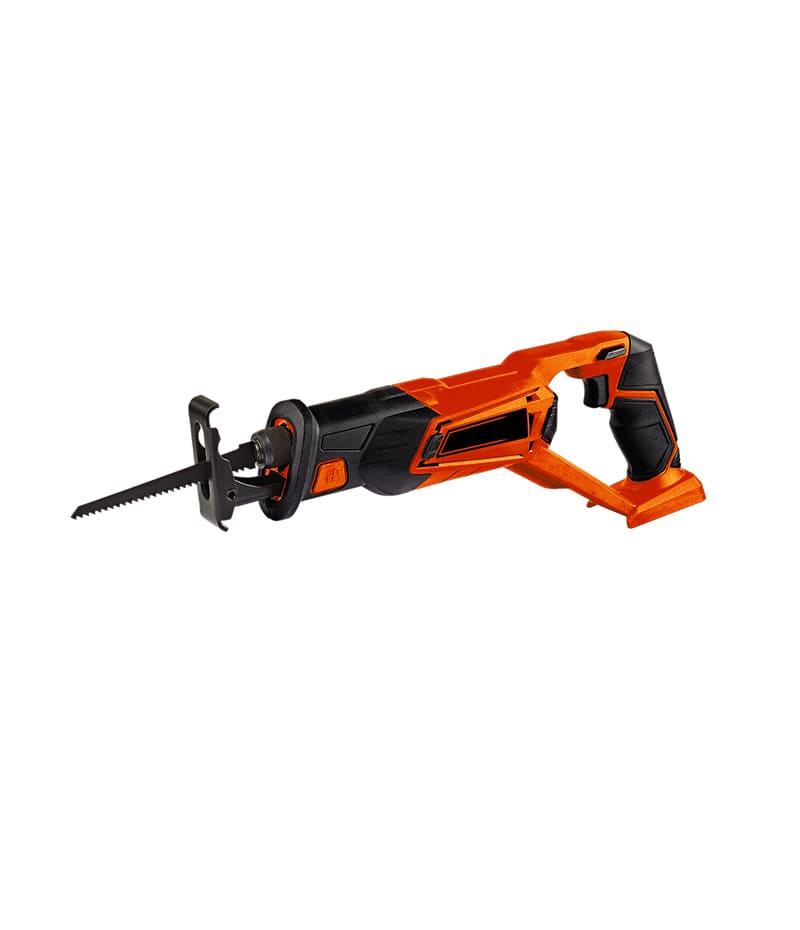








There are many hardware tools on the market, but most consumers know very little about the materials and processing techniques of hardware tools. However, material and craftsmanship are the key factors that affect tools, and different tools have different requirements for material and processing technology. Today, let’s take a look at the commonly used materials and processing technology for hardware tools.
Commonly used materials for hardware tools
Steel: The majority of hardware tools are made of steel.
Steel can be divided into carbon steel and alloy steel according to its chemical composition.
- Carbon steel
Carbon structural steel is mainly used to manufacture various engineering components (such as bridges, ships, and buildings) and machine parts (such as gears, shafts, and connecting rods).
Carbon tool steel is mainly used to manufacture various cutting tools, measuring tools, molds, and hardware tools, generally belonging to high carbon steel. The steel grade of carbon tool steel is represented by “T”, for example, T7 represents carbon alloy tool steel with a carbon content of 0.7%. High quality carbon tool steel, represented by adding “A” after the number, such as “T7 A”. - Alloy steel
Alloy steel can achieve mechanical properties that are difficult to achieve with carbon steel.
Chromium: increases the hardenability of steel and improves wear resistance and hardness.
Vanadium has made significant contributions to improving the hardness, wear resistance, and toughness of steel, especially in enhancing its wear resistance.
Molybdenum: It can improve the hardenability and tempering stability of steel, refine grain size, improve carbide non-uniformity, and thus enhance the strength and toughness of steel.